

Understanding the psychology of risk in gambling decisions
The Nature of Risk in Gambling
Risk is an inherent part of gambling, encapsulating both the potential for loss and the possibility of reward. Understanding this duality is crucial in grasping how individuals approach gambling decisions. Many players weigh the excitement of winning against the fear of losing. This ongoing assessment of risk shapes not only their choices in games but also their overall gambling experience. As players immerse themselves in the thrill of the game, they often become more risk-tolerant, viewing losses as temporary setbacks rather than definitive outcomes. One popular choice among players today is crown777-australia.com/, which embodies the modern online casino experience.
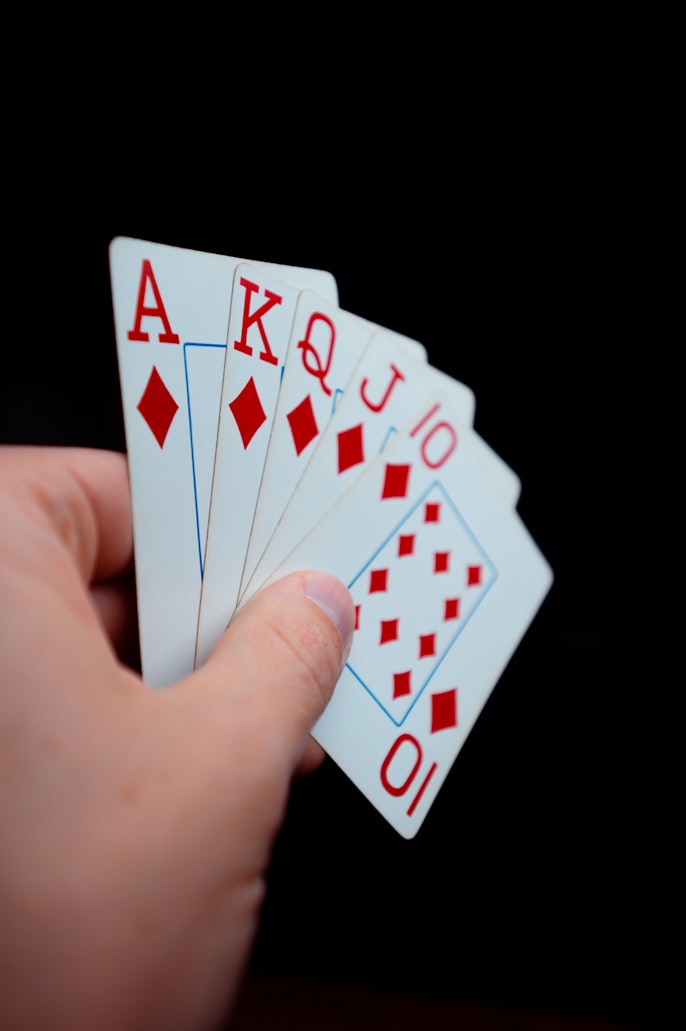
The concept of risk is further complicated by cognitive biases that affect decision-making. For instance, the « gambler’s fallacy » leads individuals to believe that past results will influence future outcomes. This mistaken belief can alter risk perception, making players more likely to chase losses or increase their bets after a losing streak. Additionally, the allure of jackpots and large payouts can overshadow the reality of odds, creating a skewed perception of risk that entices players to engage in higher-stakes games without fully understanding the consequences.
Furthermore, emotional factors play a significant role in risk assessment during gambling. Feelings of excitement, anticipation, and even anxiety can cloud judgment, leading players to take risks they might otherwise avoid in sober reflection. The adrenaline rush associated with high-stakes betting can encourage impulsive decisions, making it vital for individuals to develop self-awareness about their emotional states while gambling. Understanding these psychological aspects of risk can help gamblers make more informed decisions and enhance their overall experience.
The Role of Cognitive Biases
Cognitive biases heavily influence gambling decisions, leading to illogical choices and misinterpretations of odds. One prevalent bias is the « illusion of control, » where players believe they can influence outcomes in games of chance. This misconception often encourages people to take greater risks, as they feel empowered by a false sense of mastery over their luck. For example, players might think their strategies can improve their chances in games like poker or blackjack, even though these games rely primarily on chance.
The « availability heuristic » is another cognitive bias that affects risk perception. This bias leads players to estimate the likelihood of events based on how easily they can recall similar instances. If someone frequently hears about large wins in a particular game, they may overestimate their chances of winning themselves, prompting them to take higher risks. Understanding these biases can help individuals recognize when their judgment may be swayed, allowing them to make more rational gambling decisions.
Moreover, overconfidence can be a significant barrier to accurate risk assessment. Gamblers often overestimate their skills or knowledge, believing they have a better understanding of the odds than they actually do. This overconfidence can lead to reckless betting and increased financial losses. Recognizing the impact of cognitive biases is essential for anyone looking to gamble responsibly and mitigate the risks associated with gambling decisions.
The Impact of Emotional States
Emotions can significantly impact gambling behavior, influencing risk tolerance and decision-making processes. Players often experience a rollercoaster of feelings, from excitement during wins to frustration during losses. These emotional highs and lows can lead to impulsive decisions, with players increasing their bets or continuing to gamble in an attempt to recover losses. Such behavior can create a cycle of emotional gambling, where decisions are driven more by feelings than by rational analysis of risk.
Additionally, the concept of loss aversion plays a critical role in shaping gambling decisions. Research indicates that the pain of losing is often felt more intensely than the pleasure of winning. Consequently, many players may engage in riskier behavior to avoid losses, hoping to recoup their investments. This phenomenon can lead to chasing losses, where gamblers continue to wager despite mounting losses, often leading to even larger financial setbacks.
Furthermore, social influences can amplify emotional responses and risk behavior in gambling. Whether in a casino setting or an online platform, the presence of others can heighten the adrenaline rush and encourage riskier decisions. Peer pressure or a desire to impress friends can lead individuals to take risks they might not consider in isolation. Understanding the interplay between emotions and gambling decisions can empower players to take control of their experiences and make more thoughtful choices.
Strategies for Managing Risk
Recognizing the psychological factors influencing risk in gambling is the first step toward more responsible gaming. Players can adopt strategies to better manage their risk, including setting strict budgets and adhering to them. This approach not only helps maintain financial control but also mitigates the emotional swings associated with gambling. By predefining limits, players are less likely to succumb to the temptations of chasing losses or increasing bets in moments of frustration.
Another effective strategy is to engage in self-reflection before and after gambling sessions. Taking time to assess emotions, motivations, and decision-making processes can help players recognize unhealthy patterns and biases. Journaling or discussing experiences with trusted friends can provide valuable insights and promote accountability. Such practices encourage a more thoughtful approach to gambling, emphasizing the importance of understanding one’s psychological state while engaged in risky behavior.
Moreover, educating oneself about the odds and probabilities associated with various games can significantly alter risk perception. By understanding how games work and the true likelihood of winning, gamblers can make more informed decisions that align with their risk tolerance. This knowledge empowers players to approach gambling as a form of entertainment rather than an opportunity for financial gain, promoting a healthier relationship with the activity.

Crown777: A Responsible Gaming Environment
Crown777 Australia offers a premier online gambling experience that prioritizes user safety and enjoyment. With a broad selection of over 2,600 games, including engaging pokies and live dealer options, players can explore a diverse gaming landscape while maintaining control over their gambling decisions. The platform is designed to foster a responsible gaming environment where individuals can learn about risk management and make informed choices.
New users are welcomed with a generous bonus, allowing them to dive into the gaming experience without feeling pressured to spend excessively upfront. This approach underscores the importance of responsible gambling practices and provides an opportunity for players to familiarize themselves with various games while managing their budgets. Continuous promotions, including free spins and cashback offers, further enhance the experience, ensuring players enjoy their time without compromising their financial well-being.
Moreover, Crown777 emphasizes customer support, with a dedicated team available 24/7 to address any concerns or queries. This commitment to user experience underscores the platform’s dedication to fostering a safe and engaging environment for all players. By promoting awareness of the psychology of risk and providing tools for responsible gaming, Crown777 empowers its users to make smart choices while exploring the excitement of online gambling.
