

The Illusion of Control
One of the fundamental ways casinos influence gambling psychology is through the illusion of control. Gamblers often feel that their choices can significantly affect the outcome of games, which enhances their engagement. This psychological phenomenon is manipulated intentionally by casinos, as they design games that empower players to believe their strategies can lead to winnings. For instance, when people play blackjack, they think that their decision on when to hit or stand can alter the game’s fate in their favor. Additionally, engaging with nfl betting promos can further bolster this illusion among sports bettors.
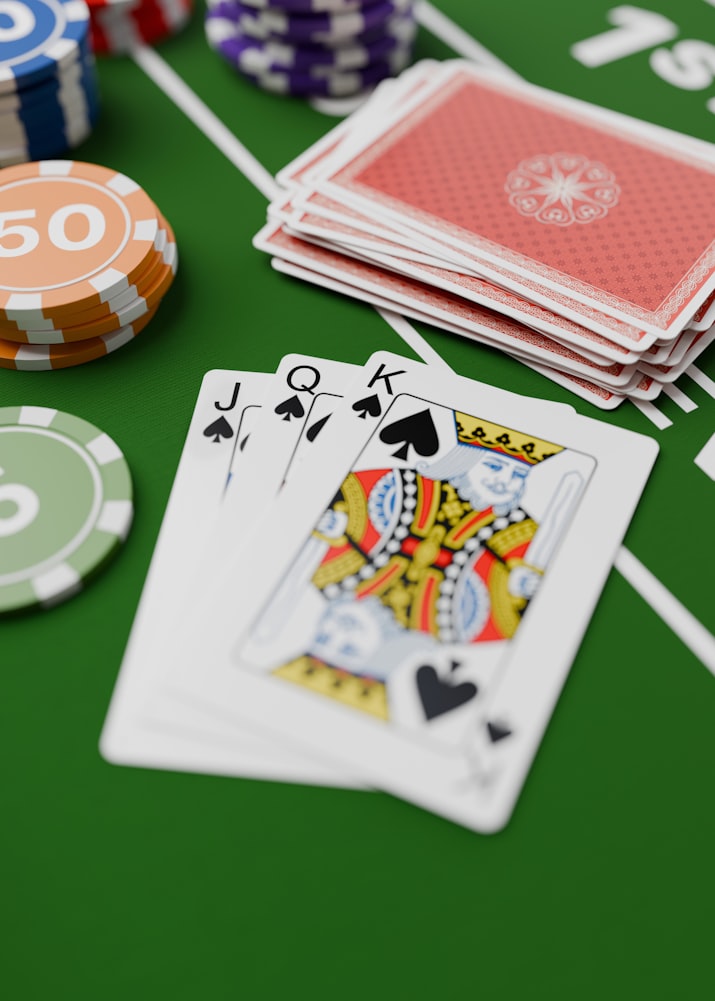
Casinos capitalize on this by providing an environment where players are encouraged to make choices that seem impactful. This sense of agency keeps players invested longer, as they associate their involvement with potential success. As players engage in more rounds, the likelihood of losing money increases, but their perceived control can make them less aware of the reality of the odds they face.
The Role of Game Design
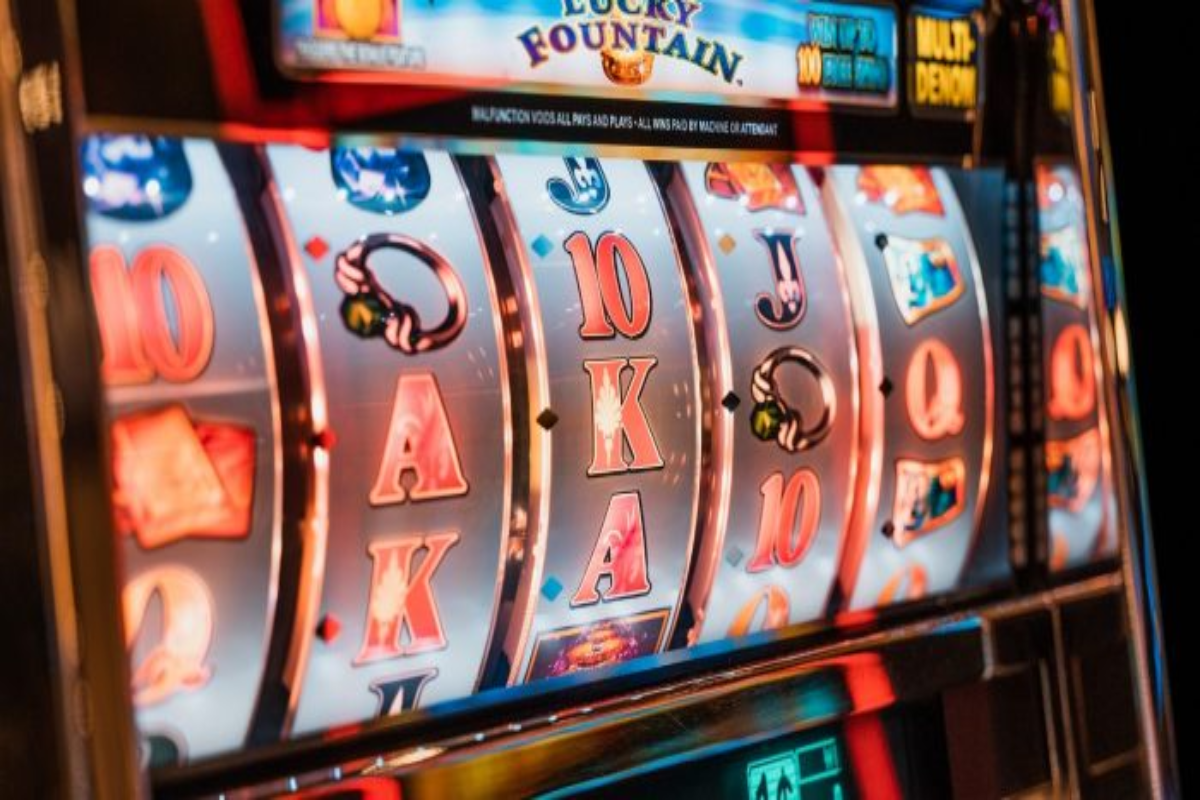
Game design plays a crucial role in how casinos shape gambling behaviors. From the intricate symbols on slot machines to the colorful layouts of card tables, every element is crafted to entice players. Bright lights, engaging sounds, and enticing rewards create a sensory-rich experience that draws bettors in. This is not merely aesthetic; it’s a carefully calculated strategy to keep players engaged and spending.
Moreover, games are often designed with variable reward schedules, meaning that wins occur unpredictably, which can provoke excitement and lead to continued play. This method is akin to a psychological principle known as reinforcement, where individuals are conditioned to repeat behaviors that are rewarded sporadically. It keeps gamblers returning for more, chasing the next big win in a cycle that can be hard to break.
The Impact of Environment
The casino environment itself significantly influences gambling psychology. The ambiance, from plush carpets to the absence of clocks, is strategically curated to keep players feeling relaxed and unhurried. This design encourages longer stays, resulting in increased spending. The normalization of gambling as a leisure activity in this space makes losing less impactful; players often view it as part of the entertainment rather than a financial drain.
Additionally, social factors in casinos, such as observing others win or participate, can create a sense of community and shared experience that further reinforces the desire to play. When individuals witness others celebrating wins, they may feel compelled to join in, leading to impulsive betting decisions that can escalate quickly as they become lost in the collective energy of the environment.
The Psychological Effects of Rewards
Rewards in casinos are designed to trigger psychological responses that enhance the gambling experience. When players win—even in small amounts—their brains release dopamine, a neurotransmitter associated with pleasure and reward. This response can make the act of gambling more addictive, as each win reinforces the behavior, creating a cycle of desire for further gambling. Casinos often utilize this by providing frequent small wins to keep the excitement alive among players.
Furthermore, the anticipation of winning can be just as thrilling as the win itself. The buildup before a payout, whether it’s waiting for a slot machine to stop spinning or discovering if a card is a winner, amplifies excitement. This anticipation can lead players to overlook their losses, focusing instead on the exhilarating moments that keep them coming back for more, beckoning them deeper into the gambling experience.
Enhancing Your Gambling Experience Responsibly
While understanding the psychological tactics used by casinos can provide valuable insights, it is essential to prioritize responsible gambling practices. Acknowledging these influences helps players make informed choices and recognize when gambling is becoming problematic. Engaging with gambling as a fun leisure activity, while setting limits on expenses and time, can lead to a healthier relationship with games of chance.
Whether you’re participating in online platforms or visiting physical casinos, it’s crucial to stay aware of these psychological elements. Practicing moderation and educating oneself about the intricacies of gambling can significantly enhance your experience, allowing you to enjoy the thrill without falling into detrimental habits. Remember, knowledge is your best ally in navigating the captivating world of casinos while maintaining a responsible approach.
