

The roots of risk uncovering the fascinating history of gambling
The Origins of Gambling
The history of gambling can be traced back to ancient civilizations where games of chance were woven into the fabric of society. The earliest evidence of gambling dates back to around 3000 BC in China, where players utilized rudimentary dice made from animal bones. These early games were not just forms of entertainment; they often served as rituals for divination or decision-making, reflecting the cultural significance of chance in human life.
In ancient Rome, gambling became widely popular among soldiers and citizens alike. The Romans played various dice games, and betting on chariot races was a common pastime. This not only provided entertainment but also fostered a sense of community as people gathered to cheer for their favorites. These activities eventually led to the establishment of laws regulating gambling, marking the transition from informal betting to a more structured form of wagering.
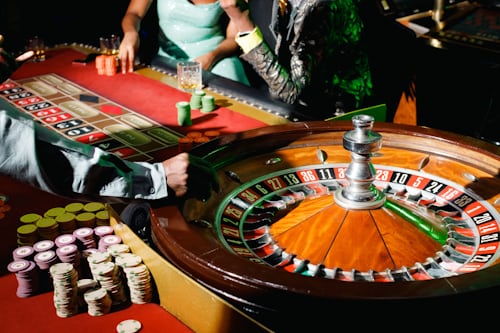
The historical journey continued through the Middle Ages, where gambling became associated with nobility and the aristocracy. Card games emerged during this time, further evolving the gambling landscape. The introduction of playing cards from the East into Europe paved the way for many of the games we recognize today, setting the stage for the modern gambling world that thrives in casinos and online platforms.
The Evolution of Gambling Practices
As societies developed, so did the complexity of gambling practices. In the 16th century, the first official state lottery was established in Italy, showcasing how governments began to harness gambling as a means of generating revenue. This trend spread across Europe, and soon lotteries became a popular way to fund public projects, including roads, schools, and even military endeavors. The interplay between public service and gambling highlights how these activities can be intertwined with societal needs.
The 18th and 19th centuries marked the rise of organized gambling with the establishment of casinos in Europe. The first official casino, the Casino di Venezia, opened its doors in 1638, creating a space for gambling that was both glamorous and regulated. This development sparked the emergence of various gambling games, including roulette and baccarat, which became staples in casinos around the world. The allure of high stakes and lavish surroundings drew in players from all walks of life.
With the advent of the industrial revolution, gambling found a new audience among the working class. The establishment of betting shops and racetracks provided accessible avenues for gambling, democratizing the activity. As urbanization took hold, the social dynamics of gambling shifted, making it an integral part of the nightlife and culture in burgeoning cities, leading to the formation of gambling as a mainstream leisure activity.
The Psychological Appeal of Gambling
The reasons behind why individuals engage in gambling are complex and multifaceted. The thrill of risk, the potential for significant rewards, and the excitement of uncertainty all contribute to the psychological draw of gambling. Many studies have shown that the brain releases dopamine during risky behaviors, creating a sense of euphoria that can be addictive. This biochemical reaction can lead players to chase losses or seek out that high again, underscoring the fine line between entertainment and addiction.
Moreover, gambling often provides an escape from everyday life, allowing individuals to immerse themselves in a world of chance and possibility. This escape can be particularly appealing in times of stress or uncertainty, as it offers a temporary reprieve from reality. The social aspect of gambling also plays a crucial role; many enjoy the communal experience of playing games, whether in a physical casino or an online environment, fostering a sense of connection.
Understanding these psychological factors is essential for promoting responsible gambling. Education about the risks associated with gambling and the importance of setting limits can help individuals enjoy this pastime without falling into harmful patterns. By raising awareness of the signs of problematic gambling behavior, communities can support healthier engagement with these activities and promote a culture of responsibility.
Regulatory Landscape and Responsible Gambling
The evolution of gambling has prompted governments around the world to establish regulations aimed at protecting consumers and maintaining the integrity of gaming. These regulations often include age restrictions, licensing requirements, and oversight of gaming operations. Countries like the United Kingdom have implemented comprehensive laws to ensure fairness and transparency in gambling, while also providing avenues for funding addiction treatment programs.
In addition to regulatory measures, many casinos and online gambling platforms prioritize responsible gambling initiatives. This includes tools for players to set deposit limits, self-exclusion options, and resources for gambling addiction support. By fostering a safer gambling environment, operators play a critical role in mitigating the risks associated with gambling, ensuring that players can enjoy their experiences without jeopardizing their well-being.
The collaboration between regulatory bodies, operators, and community organizations is vital in promoting a culture of responsible gambling. Public awareness campaigns can educate players about the potential risks, encouraging them to gamble within their means. By fostering an open dialogue about gambling behaviors and addiction, society can work towards a balanced approach that respects individual freedom while prioritizing safety and responsibility.
Casinia: A Modern Take on Gambling
Casino represents a contemporary evolution in the gambling landscape, specifically tailored for Arabic players. With a user-friendly interface and a vast library of over 12,200 games, it caters to diverse tastes while ensuring a seamless gaming experience. The casino’s commitment to providing a safe and enjoyable environment is evident through its 24/7 customer support and secure payment methods, highlighting the importance of player protection in today’s digital age.
The platform offers various promotions, including generous welcome bonuses and a comprehensive VIP program that respects cultural values, making it an attractive option for players. This attention to regional preferences allows to connect with its audience on a deeper level, demonstrating that modern gambling can be both inclusive and engaging. It reflects the historical journey of gambling, adapting to meet the needs of a diverse player base.
As the gambling industry continues to evolve, platforms like set a standard for responsible gaming. By focusing on user experience, safety, and cultural relevance, Casino ensures that players can engage with their favorite games while being mindful of the risks involved. This modern approach underscores the importance of balancing entertainment with responsibility in the ever-changing landscape of gambling.
