

Cultural insights into gambling habits around the world
The Global Landscape of Gambling
Gambling is a universal pastime that transcends borders, cultures, and social classes. From high-stakes poker games in Las Vegas to the lively game of Mahjong in Asia, each region presents unique gambling experiences shaped by cultural backgrounds and traditions. Understanding these varying practices offers valuable insights into human behavior and societal norms. For instance, in many Western countries, gambling is often associated with entertainment, while in some Asian cultures, it can be viewed as a means of social connection and community engagement. Additionally, platforms like zoccercasino-au.com exemplify the digital shift in modern gambling.

The growth of online gambling has further diversified global gambling habits. Technological advancements have made it possible for individuals to access a wide array of games from the comfort of their homes, leading to a shift in traditional gambling norms. This digital evolution has also resulted in an increase in participation among younger demographics, altering perceptions of gambling from merely a recreational activity to a mainstream pastime. Countries like Canada and Australia showcase a blend of both traditional and modern gambling habits, highlighting how culture evolves with technological progress.
In addition, the legal landscape surrounding gambling varies significantly around the world, influencing how and when people gamble. In places where gambling is heavily regulated, such as Singapore, the focus tends to be on responsible gambling practices and minimizing addiction risks. Conversely, in regions with less regulation, like parts of Latin America, gambling can often lead to negative social impacts, prompting calls for better oversight. Understanding these legal frameworks is essential in addressing cultural attitudes towards gambling and its implications on society.
Cultural Variations in Gambling Practices
Across the globe, gambling practices are deeply rooted in cultural beliefs and values. In countries like China, gambling is often intertwined with traditional festivities such as the Lunar New Year. Activities like playing Pai Gow or betting on Mahjong during family gatherings reflect a social engagement that reinforces family ties and community bonds. Similarly, in Italy, betting on football (soccer) matches is more than just a financial gamble; it’s a passionate expression of national pride and cultural loyalty, where fans are willing to stake their money on the performance of their beloved teams.
In contrast, in some indigenous cultures, gambling takes on a spiritual dimension. Games like stick gambling are integral to social gatherings, reinforcing communal ties while also serving as a medium for cultural storytelling and history. The significance of these games goes beyond mere entertainment; they often hold deep cultural meanings and contribute to the preservation of traditions and customs within these communities. This illustrates how gambling can reflect broader societal values and historical narratives.
Furthermore, the gender dynamics in gambling habits reveal interesting cultural insights. In many cultures, men dominate the gambling scene, often viewing it as a rite of passage or a symbol of masculinity. However, women’s involvement in gambling is on the rise, challenging traditional norms. For instance, in Scandinavia, there is a growing acceptance of female gamblers who are participating in various gaming activities, from poker tournaments to online betting platforms. This shift indicates a broader change in societal attitudes towards gender roles, allowing for more inclusive gambling experiences.
Impact of Religion on Gambling Attitudes
Religion plays a significant role in shaping gambling attitudes across different cultures. In countries where religious beliefs prohibit gambling, such as in Islamic nations, strict laws against gambling activities are enforced. This results in a cultural landscape where alternative forms of entertainment are promoted instead. For instance, the prohibition in places like Saudi Arabia has led to innovative entertainment options that align with cultural values, showcasing how religion can dictate the boundaries of recreational activities.
Conversely, in cultures where gambling is tolerated or even encouraged, religious beliefs can coexist with gaming activities. For example, in certain Christian communities, gambling is seen as acceptable in moderation, especially when the proceeds support charitable causes. This cultural acceptance often fosters a sense of community, with events organized to raise funds through bingo games or raffles. Such practices highlight how gambling can also serve philanthropic purposes, blurring the lines between entertainment and social responsibility.
In addition, the interrelationship between gambling and spirituality is evident in various rituals and customs. In some Native American cultures, gambling is not only an activity but also a spiritual practice, used to connect with ancestors and seek blessings. This duality emphasizes the complex relationship between gambling, culture, and spirituality, demonstrating that gambling can extend beyond mere chance and financial gain.
Responsible Gambling: A Cultural Imperative
As gambling becomes increasingly accessible, the need for responsible gambling initiatives is paramount. Many countries are implementing cultural-specific strategies to address potential gambling addiction and its associated risks. In Australia, for example, public health campaigns are tailored to engage communities in discussions about the risks of gambling, encouraging self-exclusion programs and promoting healthy gambling habits. This proactive approach reflects a cultural commitment to safeguarding individuals while embracing the popularity of gambling.
Similarly, in Japan, the government has introduced regulations to manage gambling activities, particularly concerning the popular pachinko parlors. These regulations aim to create a safer gambling environment while preserving the cultural significance of pachinko as a leisure activity. This balance between enjoyment and responsibility highlights how cultures can adapt to the challenges posed by gambling while still honoring their traditions.
Moreover, educational programs on responsible gambling are being integrated into community initiatives worldwide. These programs aim to provide resources and support for individuals at risk of developing gambling problems, fostering a culture of awareness and accountability. By emphasizing responsible gambling, societies can enjoy the thrill of gaming while mitigating potential negative impacts, showcasing a mature approach to a complex social issue.
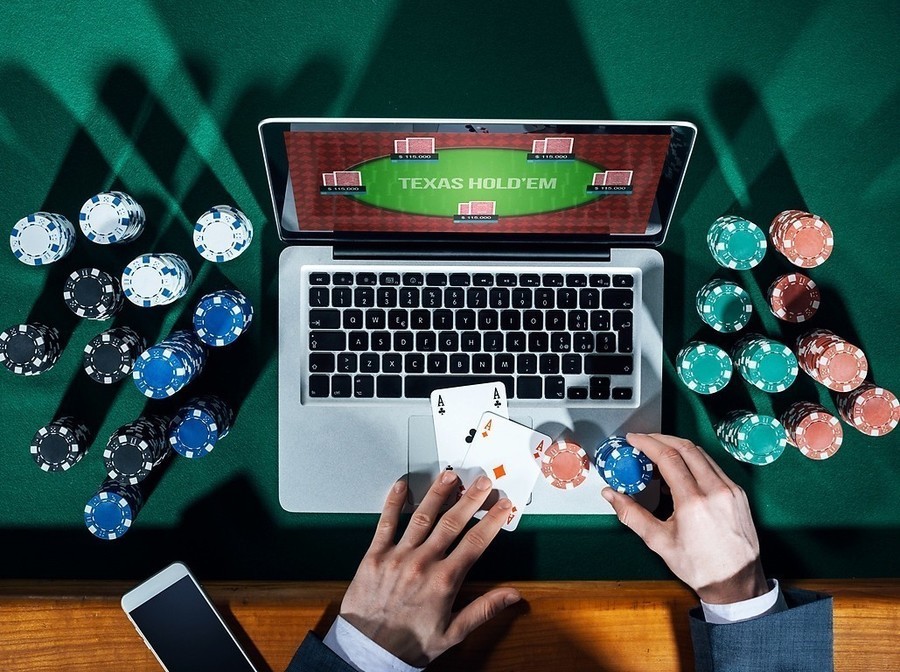
Zoccer Casino: A Cultural Approach to Online Gambling
Zoccer Casino embodies the evolution of gambling in the digital age, offering a platform that respects cultural nuances while providing diverse gaming options. Launched in 2023, this online gaming platform recognizes the importance of cultural insights, tailoring its offerings to attract a global audience. With over 3,000 slots and live tables, Zoccer Casino caters to various preferences, ensuring that players from different cultural backgrounds feel engaged and represented.
The casino promotes responsible gambling practices by providing tools and resources for players to manage their gaming activities. With a user-friendly interface and a commitment to ethical gaming, Zoccer Casino creates a safe environment for all players. This dedication to responsible gambling aligns with the cultural imperative of safeguarding individuals while enjoying the excitement of casino games and sports betting.
By emphasizing an inclusive and responsible approach, Zoccer Casino stands out as a modern example of how online gambling can respect cultural diversity. The platform’s generous welcome bonuses and engaging gameplay create a vibrant online community where players can connect, enjoy, and share their cultural experiences while gambling. This illustrates the potential of online platforms to not only entertain but also foster cultural connections and understanding among players worldwide.
