

Understanding the Psychology of Bluffing
Bluffing in poker transcends mere tactics; it is an intricate art form that intertwines with the psychological elements of the game. To bluff successfully, a player must gauge the mental state of their opponents, deciphering their tendencies based on behavior and betting patterns. A well-executed bluff hinges on crafting a credible narrative about one’s hand, leading rivals to doubt their own cards and consider alternatives, such as turning to an instant payout casino for quick wins. This psychological aspect is fundamental, making awareness of the emotional dynamics at the table crucial for any aspiring bluffer.
Furthermore, players’ emotions can fluctuate significantly during a game, which can influence their decision-making processes. For instance, a player who has recently lost several hands may feel desperate, rendering them more likely to fold when confronted with a significant bet. A skilled bluffer must recognize these emotional shifts and leverage them to their advantage. Confidence is key; projecting certainty during a bluff is essential, as any sign of hesitation or doubt may invite challenges from opponents who might otherwise fold.
The effectiveness of bluffing hinges on an intricate understanding of both your mindset and that of your opponents. Players should strive to enhance their emotional intelligence, allowing them to read the room effectively and determine the right moments to bluff. Through experience and practice, this skill can be refined, ultimately leading to more substantial pots as you manipulate the responses of those at the table.
Choosing the Right Moments to Bluff
Not every hand presents an opportunity for bluffing, making it essential to identify the right moments to implement this strategy. A well-timed bluff can dramatically shift the momentum of a game, while a poorly executed attempt can lead to significant financial losses. Timing is influenced by various factors, including your position at the table, the texture of the board, and the image you project to your opponents. For instance, if you are seated in an early position, a conservative approach is often advisable, as many players are still assessing their hands.
Understanding the board’s texture is equally vital when considering a bluff. If the community cards suggest strong hands for multiple players, a bluff may lack effectiveness. Conversely, if the board displays disconnected cards, this can create an opportunity for a successful bluff. The key is to observe what hands your opponents might hold and use this information to guide their decision-making processes. By being attentive to the board and the players’ reactions, you can create a compelling case for your bluff.
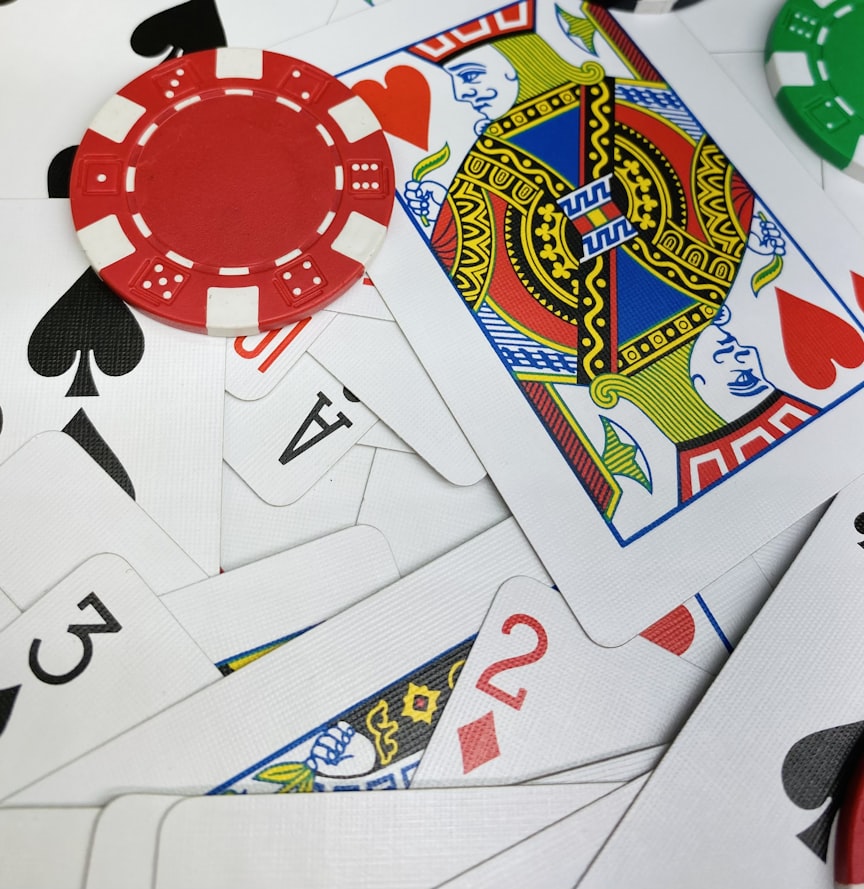
Your table image plays a pivotal role in the success of your bluffing strategy. If you are perceived as a tight player who only bets when holding strong hands, opponents may be more inclined to believe your bluffs. On the other hand, if you are known for frequent bluffing, opponents may call your bets with greater confidence. Striking a balance in your style of play helps create a versatile strategy, allowing you to incorporate well-calibrated bluffs that maximize your chances of success.
Reading Your Opponents
The ability to read your opponents is an invaluable skill in poker, particularly when it comes to bluffing. This skill encompasses not only the observation of their betting patterns but also their physical behavior at the table. Players often exhibit various “tells,” which are subtle indicators that can reveal the strength or weakness of their hands. For instance, a player who suddenly becomes quiet or fidgety might be demonstrating uncertainty, providing a clue that they could be susceptible to a well-crafted bluff.
Understanding your opponents’ playing styles can significantly enhance your bluffing strategy. Some players remain unfazed by aggressive betting, while others may fold at the slightest hint of pressure. By identifying these traits, you can tailor your bluffs to consistently exploit their weaknesses. For example, a cautious player may fold when faced with a strong bluff, while a more confrontational player may require a more substantial and carefully constructed approach to be convinced to fold.
Lastly, never underestimate the power of sustained observation. By watching how players react in various scenarios over time, you can develop a mental database of their tendencies. This knowledge becomes integral when deciding whether to bluff, as you start to predict their responses based on their past behavior. Cultivating an acute awareness of your opponents not only enhances your bluffing strategy but also contributes to a deeper understanding of the game itself, elevating your overall performance at the table.
Developing Your Bluffing Strategy
Crafting a personal bluffing strategy requires a comprehensive understanding of the game, your opponents, and your own play style. A successful strategy incorporates elements of aggression, deception, and well-timed execution. It is crucial to mix up your play to keep opponents guessing, preventing you from becoming predictable. For instance, integrating both bluffs and value bets can create confusion for your rivals, making it more challenging for them to decipher your true intentions.
Another vital component of a successful bluffing strategy lies in your ability to adapt to the dynamics of the table. Each gaming session presents unique challenges, characterized by shifting player dynamics and varying skill levels. Remaining flexible and willing to adjust your approach based on ongoing observations is essential. In some situations, a more aggressive bluff may be warranted, while a subtle and calculated approach could yield better results in others.
Finally, practice is indispensable for refining your bluffing strategy. Engaging in online games or casual sessions with friends allows you to test out different strategies without high stakes involved. Gaining experience through these opportunities enables you to develop a more instinctual understanding of when and how to bluff effectively. Reflecting on your successes and failures after each session fosters continuous improvement, ultimately enhancing your overall gameplay.
Learn More About Poker Strategies
If you are passionate about enhancing your poker skills, understanding bluffing is just the beginning. Exploring further strategies, honing your knowledge, and connecting with a community of poker enthusiasts can significantly elevate your game. As you delve deeper into the complexities of poker, consider various resources available to you, including books, online forums, and instructional videos. These resources can offer valuable insights and diverse perspectives on how to approach the game effectively.
Staying informed about poker trends and strategies involves actively participating in poker communities. Engaging in discussions can provide firsthand experiences that shape your understanding of the game. Whether it’s gaining tips from seasoned players or sharing your own experiences, being part of a community can accelerate your learning process and deepen your appreciation for poker.
Ultimately, mastering bluffing and other poker strategies requires dedication, practice, and an unwavering quest for knowledge. Embrace this journey, and you will discover that the art of poker extends far beyond mere luck; it is a blend of skill, strategic thinking, and psychological nuance. Whether your goal is to impress friends in casual games or compete at higher levels, there will always be more to learn and explore within the captivating world of poker.
